



Vegetable Unit Study
$15.00
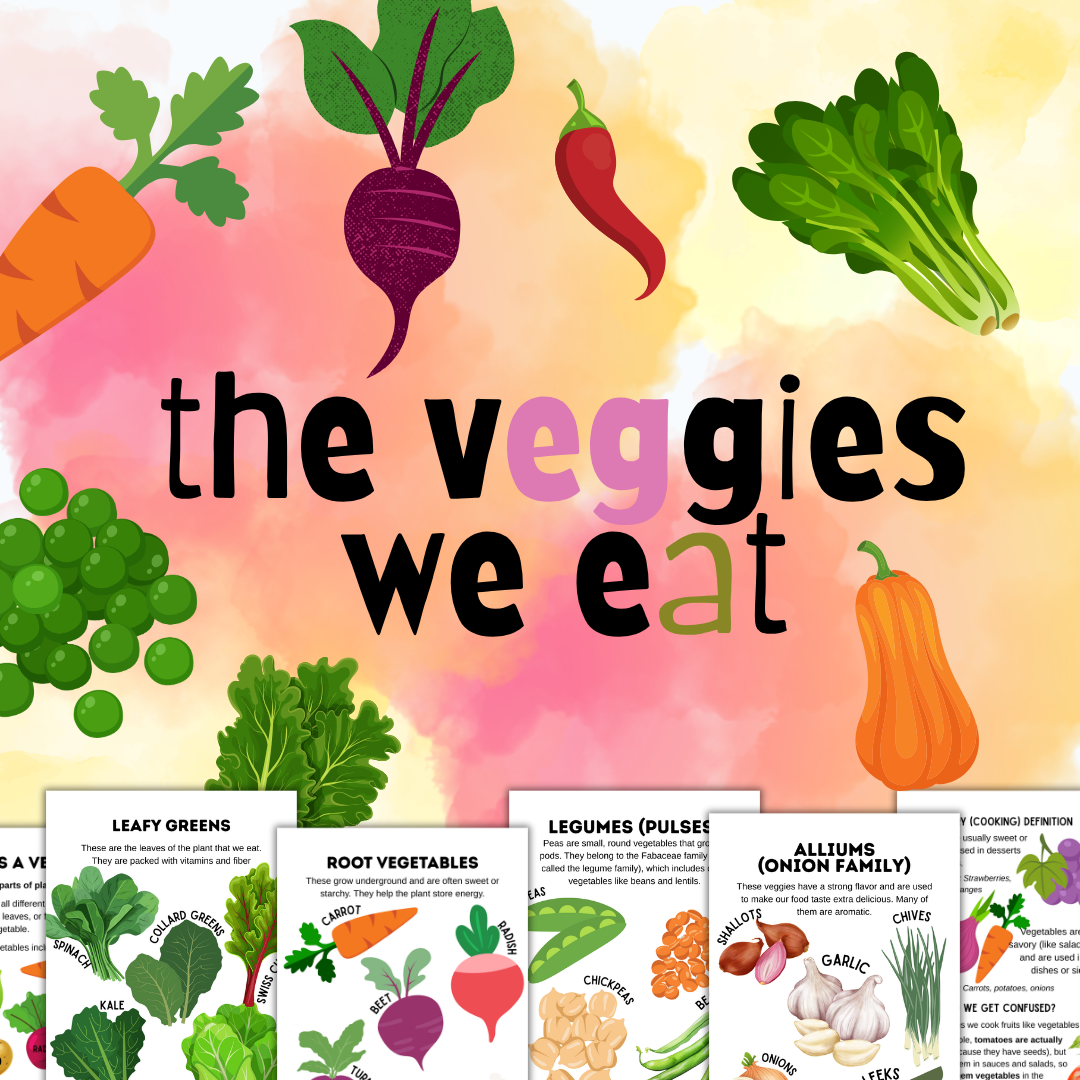
Dig into hands-on science and nutrition learning with Vegetables Unit Study — a rich printable resource that helps kids explore how vegetables grow, how they are classified, and why they matter in our world!
✅ Teaches what vegetables are and how they differ from fruits
✅ Covers botanical vs. culinary classifications in a child-friendly way
✅ Explores vegetable groups like leafy greens, root vegetables, legumes, alliums, nightshades, gourds, and mushrooms
✅ Includes lessons on nutrition, ecosystems, seasonal vegetables, gardening, and growing vegetables from scraps
✅ Features interactive pages like matching, sorting, quizzes, vocabulary work, and veggie passport activities
✅ Great for homeschool, classroom science, nutrition studies, garden units, or nature-based learning


Description
Help young learners discover the wonderful world of vegetables with Vegetables Unit Study, a printable educational resource packed with science, nutrition, gardening, and real-world learning.
This engaging unit introduces children to vegetables in a broad and meaningful way. Learners explore what vegetables are, how they grow, how they are grouped, and how they help our bodies and the environment. Along the way, they study familiar vegetables like spinach, lettuce, carrots, beets, tomatoes, peppers, cucumbers, pumpkins, beans, onions, broccoli, and more.
The resource goes beyond simple identification by helping children understand both botanical and culinary classification. Students learn that some foods used like vegetables in cooking are actually fruits in plant science, and they compare how foods are grouped based on plant structure versus how they are prepared and eaten.
This unit also gives learners a strong introduction to vegetable families and groups, including:
- Leafy Greens — such as spinach, lettuce, kale, Swiss chard, and collard greens
- Root Vegetables — such as carrots, turnips, sweet potatoes, beets, and radishes
- Flower Vegetables — such as cauliflower, broccoli, artichokes, cabbage, and Brussels sprouts
- Legumes (Pulses) — such as peas, beans, lentils, and chickpeas
- Alliums — such as onions, garlic, leeks, shallots, and chives
- Nightshades — such as tomatoes, peppers, eggplant, and potatoes
- Gourd Family Vegetables — such as cucumbers, squash, and pumpkin
- Mushrooms — introduced as fungi that are eaten like vegetables.
Children also explore how vegetables are used around the world, why vegetables are important in a healthy diet, what makes certain vegetables “super vegetables,” which vegetables grow in each season, and how vegetables support ecosystems by helping clean the air, feeding animals, supporting pollinators, protecting soil, and helping regulate climate. The unit also includes beginner-friendly gardening lessons on growing vegetables at home and even regrowing some vegetables from kitchen scraps.
What’s Inside:
- What Is a Vegetable? — introduces the basics of what vegetables are and the parts of plants we eat
- Veggies vs. Fruits — helps learners compare botanical and culinary definitions in a simple, understandable way
- Vegetable Classifications — explains how vegetables are grouped scientifically and in cooking
- Vegetable Family Studies — explores leafy greens, roots, flower vegetables, legumes, alliums, nightshades, gourds, and mushrooms
- Vegetables Around the World — shows how vegetables are enjoyed in different countries and cultures
- Nutrition and Health Pages — teaches how vegetables support vision, digestion, immunity, hydration, bone health, and more
- Super Vegetable Features — highlights vegetables like spinach, carrots, broccoli, kale, cauliflower, and sweet potatoes
- Seasonal Vegetable Learning — introduces which vegetables grow best in spring, summer, fall, and winter
- How Vegetables Grow — teaches the stages from seed to harvest
- Ecosystem Connections — explains how vegetables help the environment and animals
- Grow at Home Activities — encourages children to plant vegetables and regrow some from scraps
- Interactive Activities — includes coloring, matching, sorting, review pages, veggie-themed passport pages, and quizzes.
Why Families and Teachers Love It:
- A rich mix of science, nutrition, gardening, and nature study
- Builds vocabulary and real-world understanding in a fun, visual way
- Encourages healthy eating conversations and curiosity about food
- Works beautifully for homeschool units, classroom lessons, garden studies, and seasonal learning
- Includes a wide variety of activities to keep children engaged
- Print-and-go format makes it easy to use at home or in group settings
This resource is a wonderful way to help children see vegetables as more than just food on a plate. It turns everyday produce into a fascinating study of plants, health, ecosystems, and global culture.
Pair It With
For even more garden and plant-themed learning, pair this resource with:
- The Garden Project — great for extending hands-on garden and plant study
- In the Garden Morning Basket — a lovely addition for themed learning time
- Jack & the Beanstalk: The Plant Life Cycle — builds on plant science concepts in a story-based format
- Pollination Science — a great next step for understanding how flowering plants produce food
PLEASE NOTE: This is a digital download product. No physical item will be shipped. You will receive a printable PDF resource for personal or classroom use.


Reviews
There are no reviews yet.